Record fabric and care evidence in your Kakobuy spreadsheet
“Heavy cotton” and “soft knit” can tell you what to investigate without telling you how a garment will behave. A few separate fields in your Kakobuy spreadsheet give composition, construction, feel and care their own places. The result is easier to compare with clothes you already maintain.
Record what the source actually says
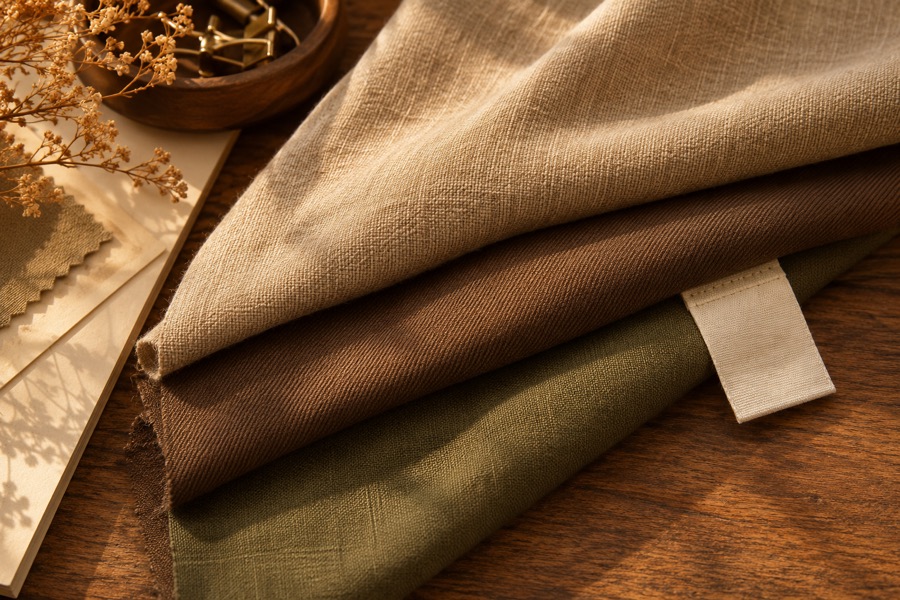
When possible, capture the listing wording and the text on a visible care or composition label. Keep the garment body, lining and trims separate when they have separate declarations. If you can only see a description such as “cotton feel,” write those words in the source note and mark composition unknown.
Translate construction into questions you can check
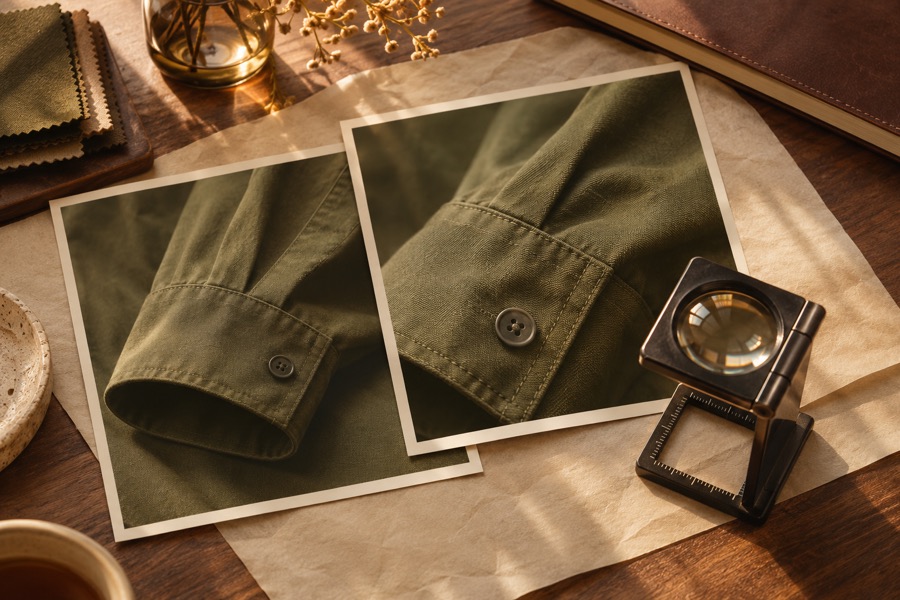
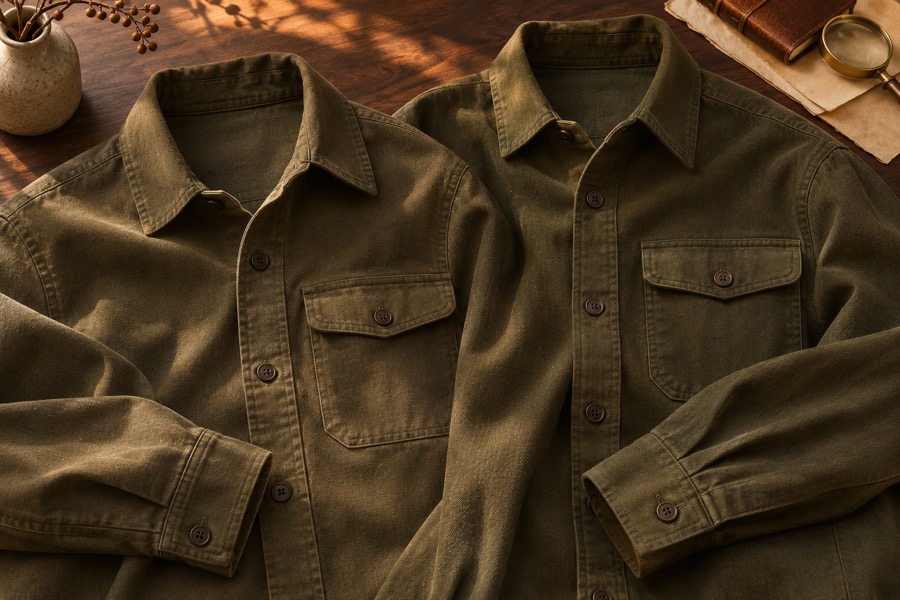
A listing that calls a fabric “heavy” might refer to thickness, warmth or a substantial finish. Identify which matters to you. If you need a top that sits smoothly under a fitted coat, ask for a close side view of the hem or compare an available fabric weight with a known reference. A close photo may show structure, but feel and drape can still be hard to judge. You can use a photo of the garment on a hanger to see where it folds under its own weight and compare that with your reference.
Check the garment against your care routine
Write down how you actually wash and dry similar clothes. Suppose you want a weekly sweatshirt and the visible label calls for drying flat. If you can reserve enough flat space, that instruction may fit your routine. If you cannot, move the option lower and leave a short explanation so you remember the reason.
Log what you learn after a real wear
After care according to the label, note observable changes such as a tighter cuff or a change in surface texture. If you compare dimensions, use the same measuring points before and after. Record the specific finding in the sheet, such as “body length 68 to 67 cm after first care cycle.” It will help you ask better questions next time.